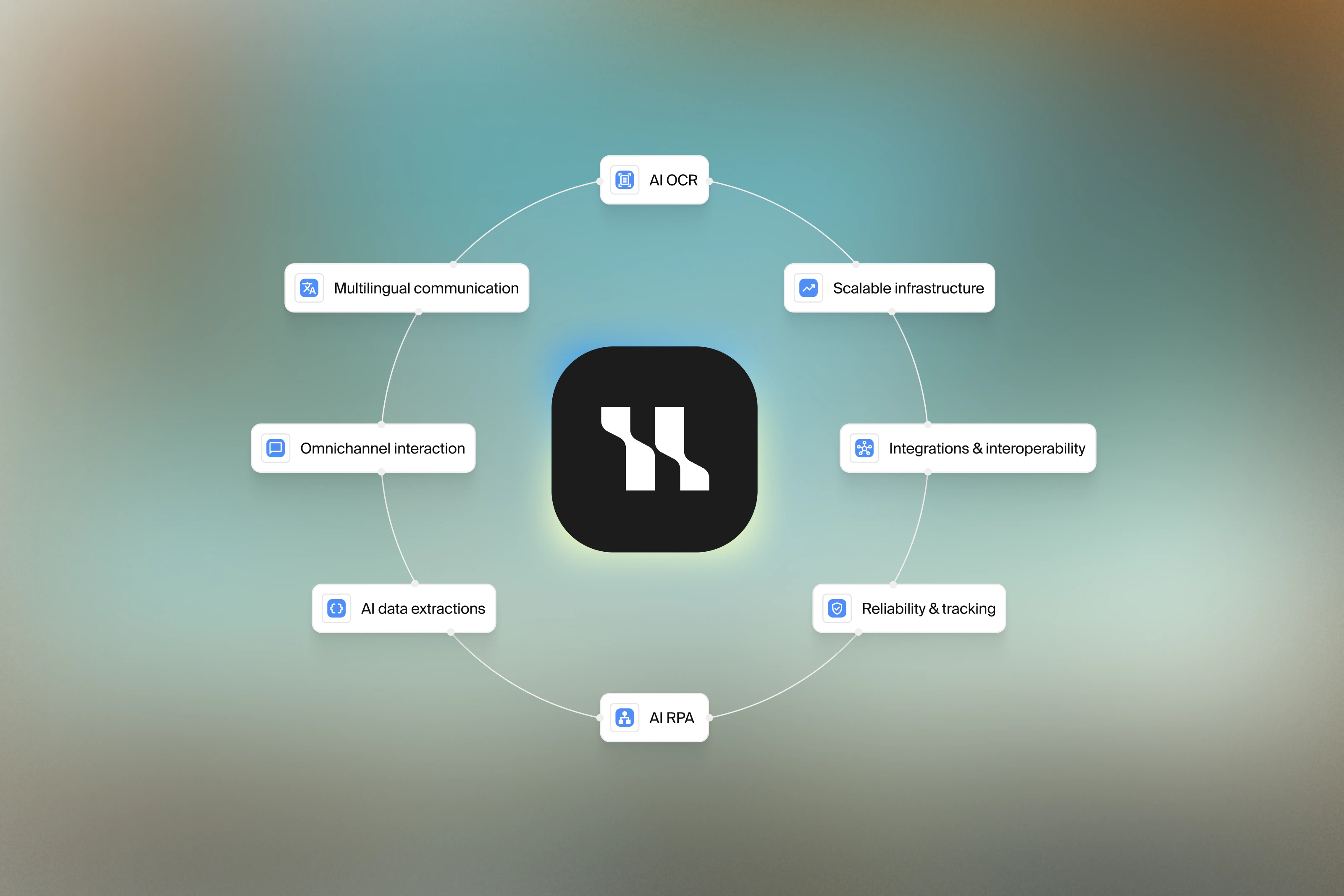
One place to run the repetitive work that eats your week
Drag together a workflow the way you would sketch it on a napkin. Rivesa reads the inbox, pulls context from your tools, takes the action, and loops you in when it needs a real decision.
Your Gmail, your HubSpot, the shared Drive folder, the Notion doc, the Stripe dashboard. Rivesa understands the context before it acts.
Sends the follow-up. Chases the invoice. Updates the CRM. Books the meeting. You are not the one copy-pasting into eight tools anymore.
Approve before it sends a refund. Pause before it emails a sensitive customer. You set the line, the workflow respects it.
Sort your inbox
Classify every inbound email, tag it, pull out the relevant customer, and either reply or route to the right person.
Chase what is pending
Ghosted leads, unsigned contracts, overdue invoices. Rivesa handles the third, fourth, and fifth reminder you keep forgetting.
Collect what you need
Missing W-9, expired COI, required form. The workflow asks for it, waits for it, validates it when it arrives.
Move work between tools
Intake form into CRM into onboarding doc into Slack channel into calendar invite. One workflow, no copy-paste.
Flag the exceptions
When something is off-pattern — big contract, angry customer, late payment — Rivesa surfaces it with the full context attached.
Works with the tools you already pay for
No rip and replace, no new stack to learn. Rivesa sits on top of your Gmail, your CRM, your accounting software, and ties them together.
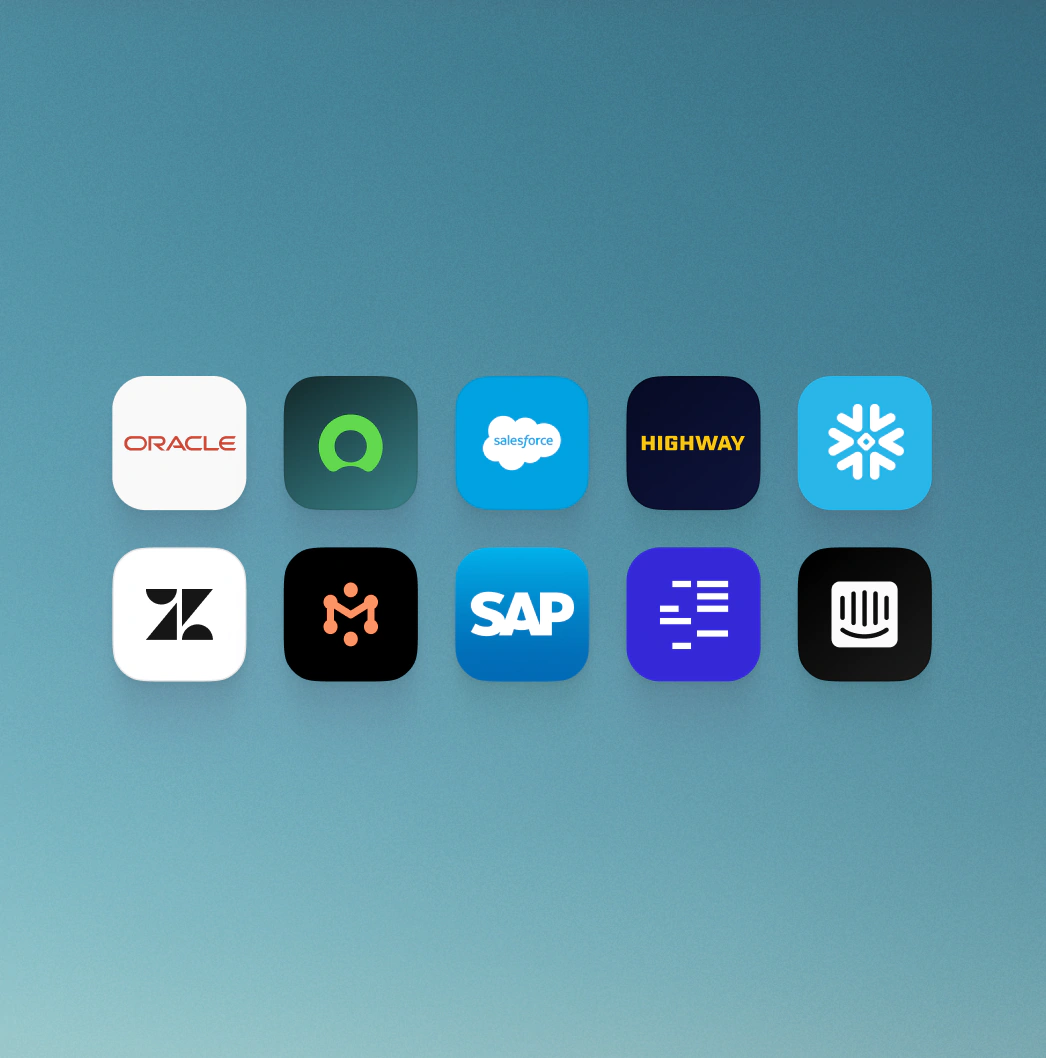
Your tools, connected
Gmail, Outlook, HubSpot, Salesforce, Pipedrive, QuickBooks, Xero, Stripe, Slack, Notion, Airtable. If you use it, Rivesa probably talks to it.
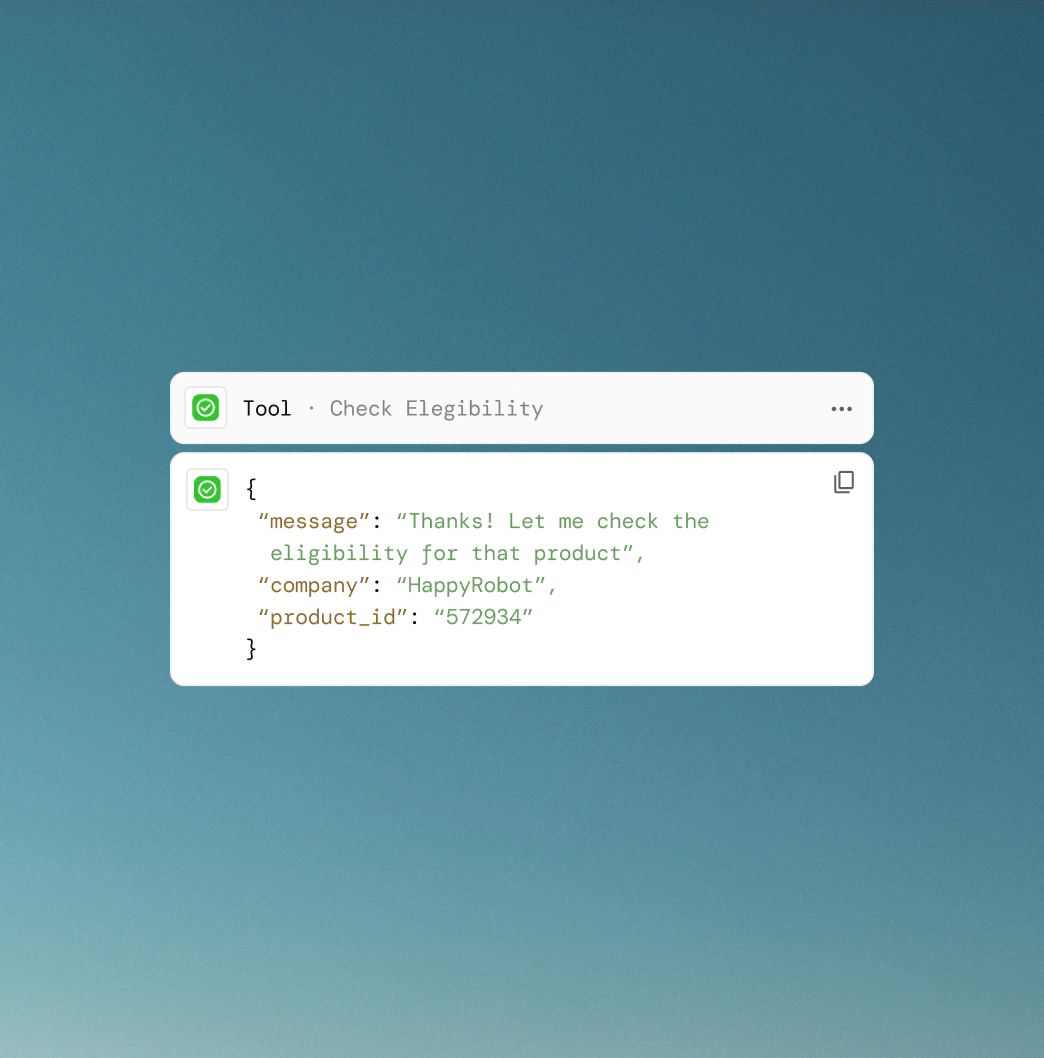
Your custom stuff too
Got a homegrown portal, an internal database, a weird legacy tool? API and webhooks cover it. We set up the connection for you.
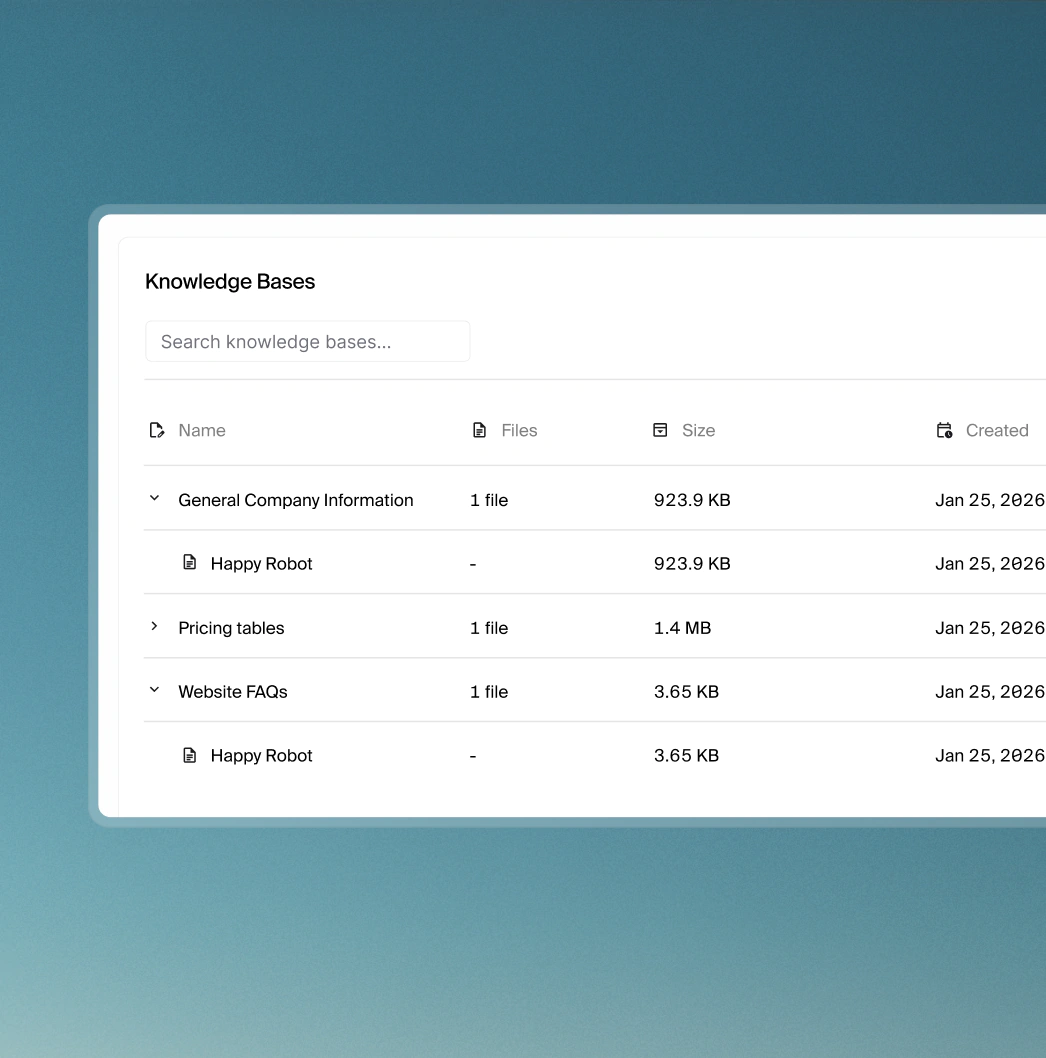
Your playbook, remembered
Upload your SOP doc, paste your refund policy, share your hiring checklist. Rivesa follows the rules you actually run on.
First workflow live by end of week
No six-month implementation. No dedicated engineering team. We map the workflow with you Monday, you see it running Friday.
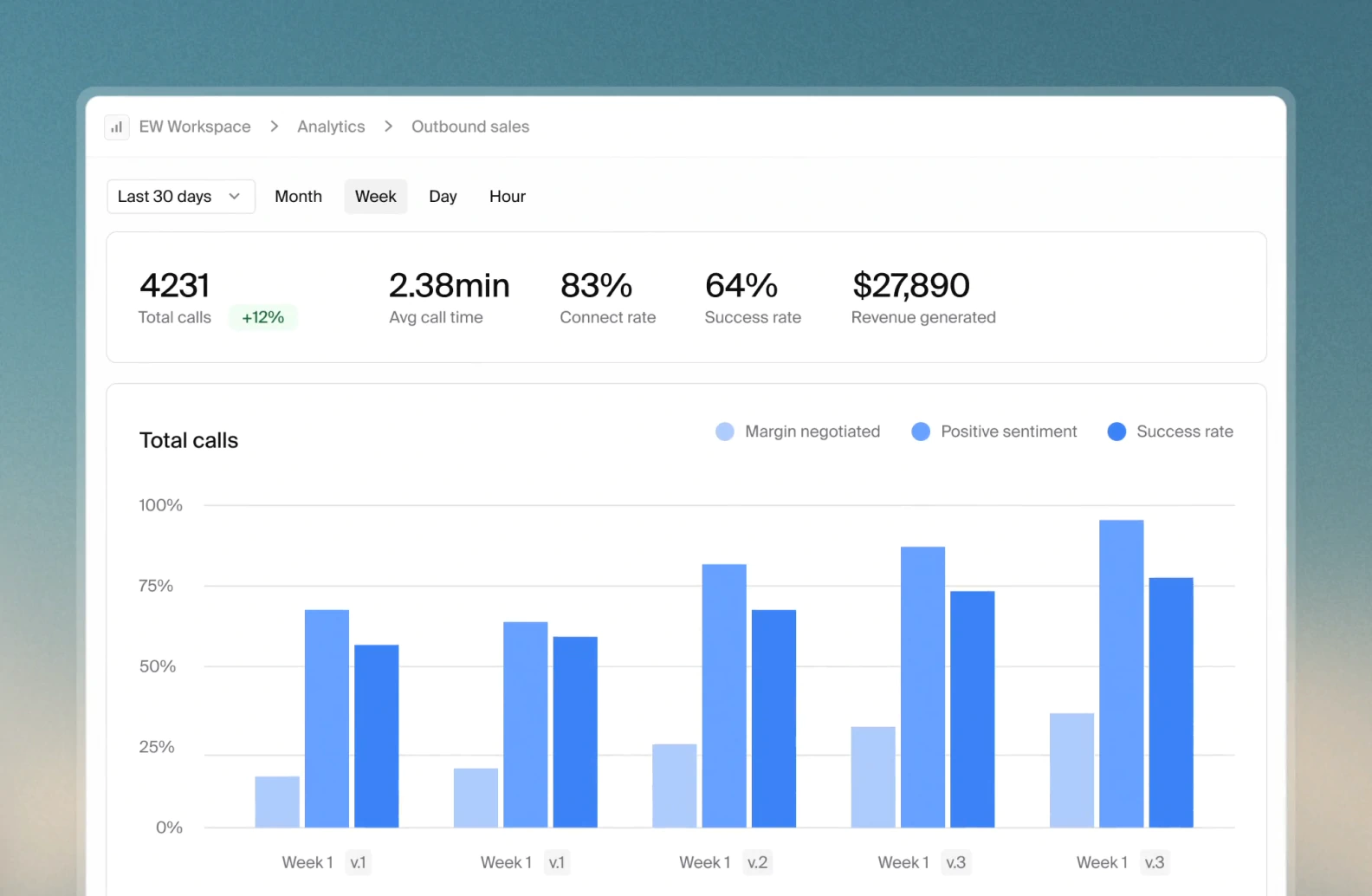
See everything it does
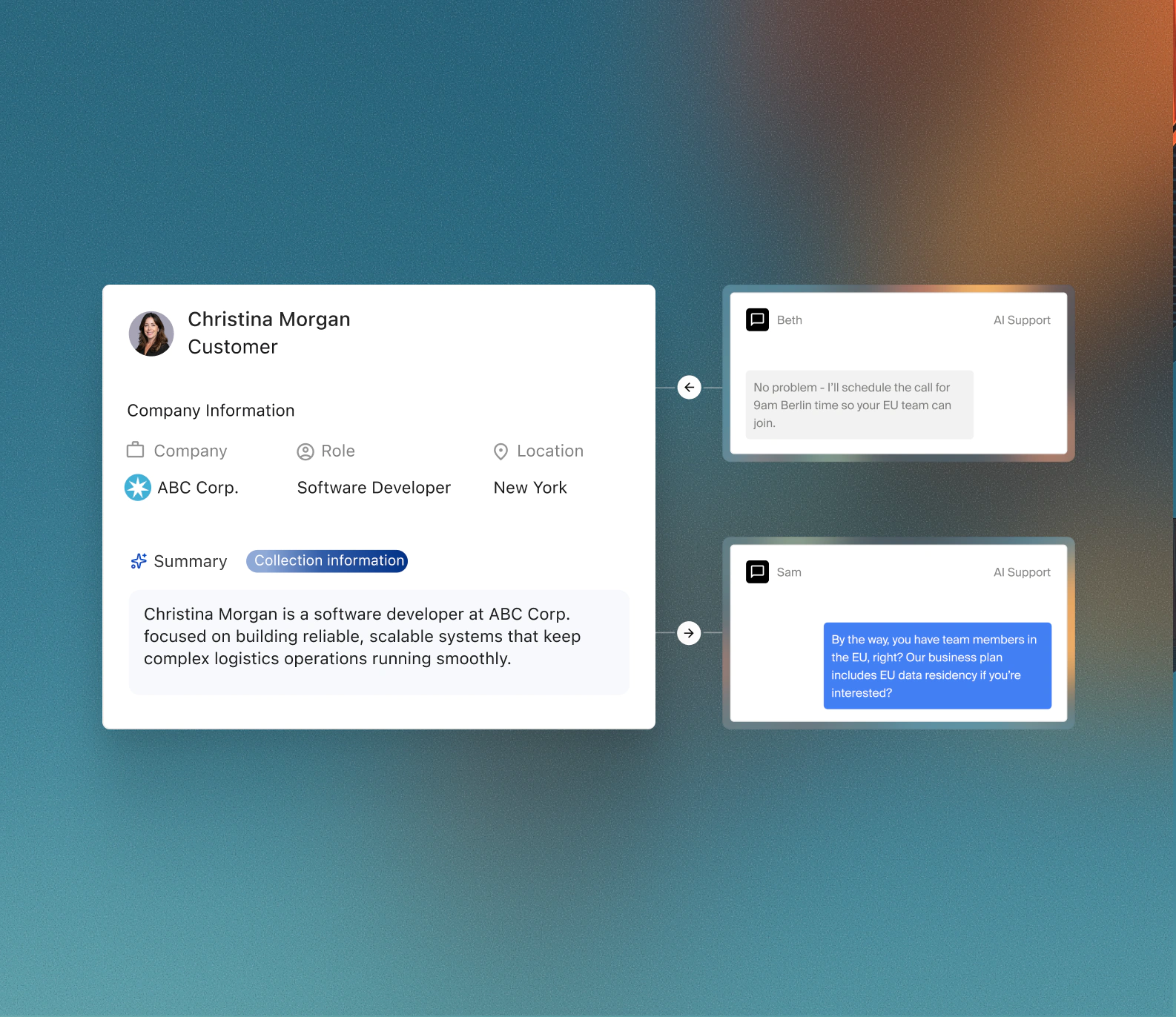
You stay in control
Grows with you
Pick the one task you are tired of doing
Pick the one task you are sick of doing. We will ship it as a workflow this week. Enterprise power, SMB pricing.