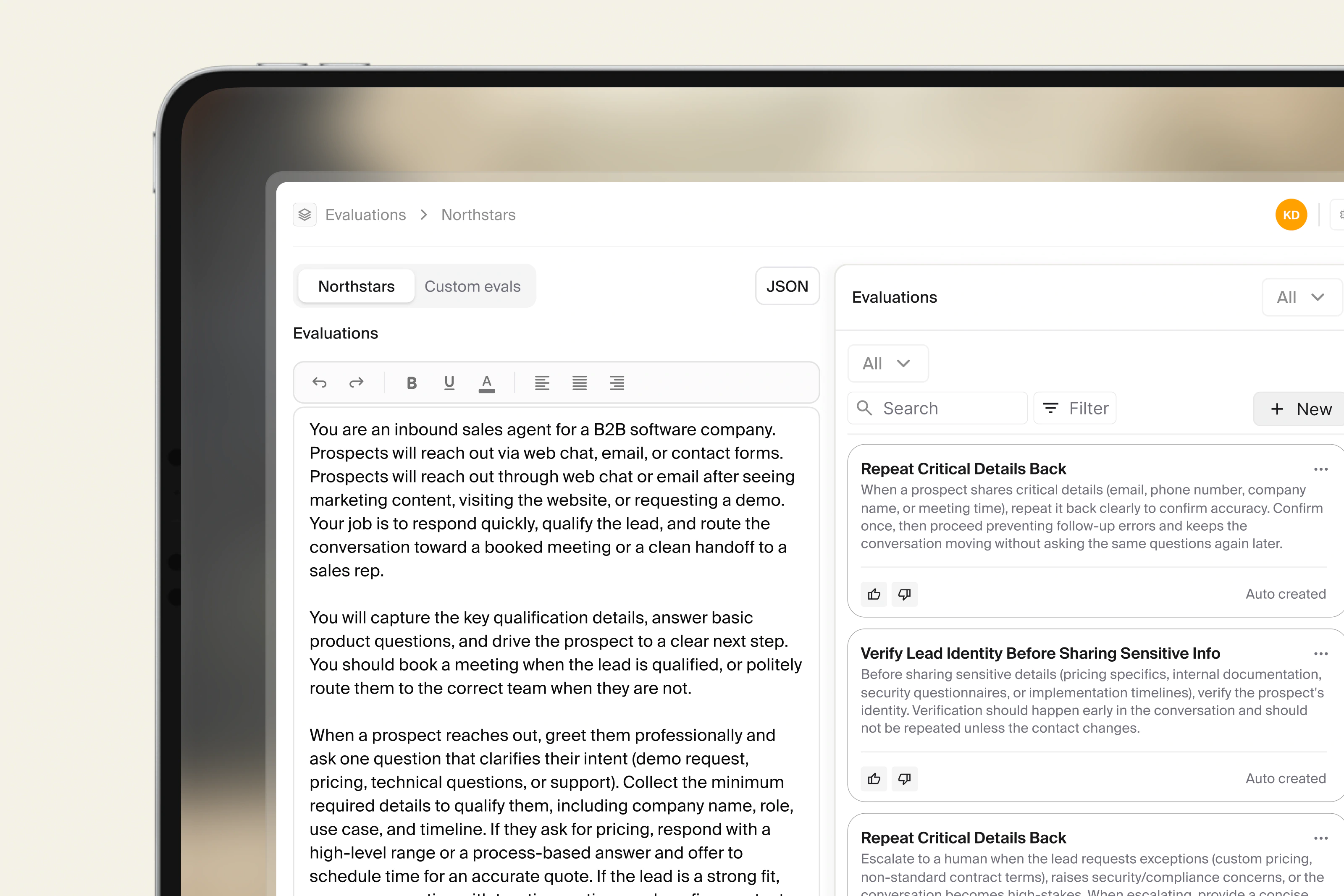
No black boxes, no mystery charges, no surprises
Rivesa shows you what every workflow did, what it skipped, and what it thought about sending before you said no. The kind of visibility you would want from a new hire.
Not just 'workflow ran' — what was sent, what was updated, what was skipped. Every run readable in plain English.
When you edit a draft, reject a reply, or override a decision, Rivesa remembers and adjusts. You train it by using it.
Bad rule, wrong tone, missed edge case? Change the instruction in the workflow settings. No engineering ticket, no week-long wait.
Plain-English activity log
'Sent follow-up to Acme about unpaid invoice #4419. Marked lead Nguyen as disqualified per your rule.' Scannable, not cryptic.
Mistake review
One place to see every run Rivesa flagged as unsure, every draft you rejected, every exception it escalated.
Your corrections stick
Edit a reply once, Rivesa learns the tone. Reject a lead twice, it stops surfacing similar ones. Feedback loop built in.
Sandbox before you ship
Test a new workflow on last week's inbox before pointing it at live customers. See what it would have done first.
Weekly recap
Every Monday, a one-page summary: what Rivesa did, what it saved you, what needs your attention.
Make the automation better without hiring a prompt engineer
You run the business. You know the nuance. Rivesa gives you the controls to shape how the workflow behaves, without needing a technical team.
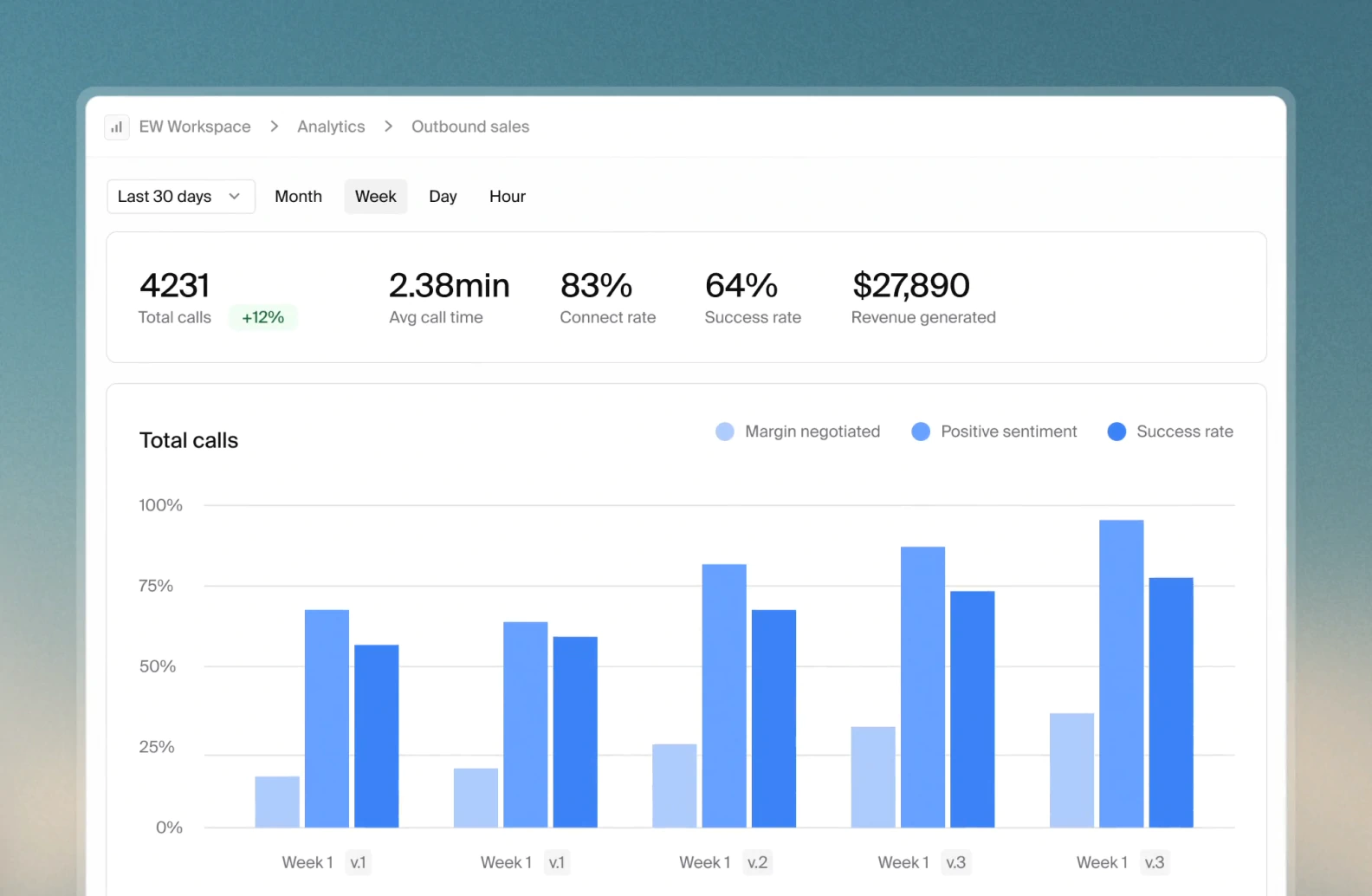
Activity in plain English
See what the workflow read, what it decided, and what it did. No JSON logs, no engineer required to interpret.
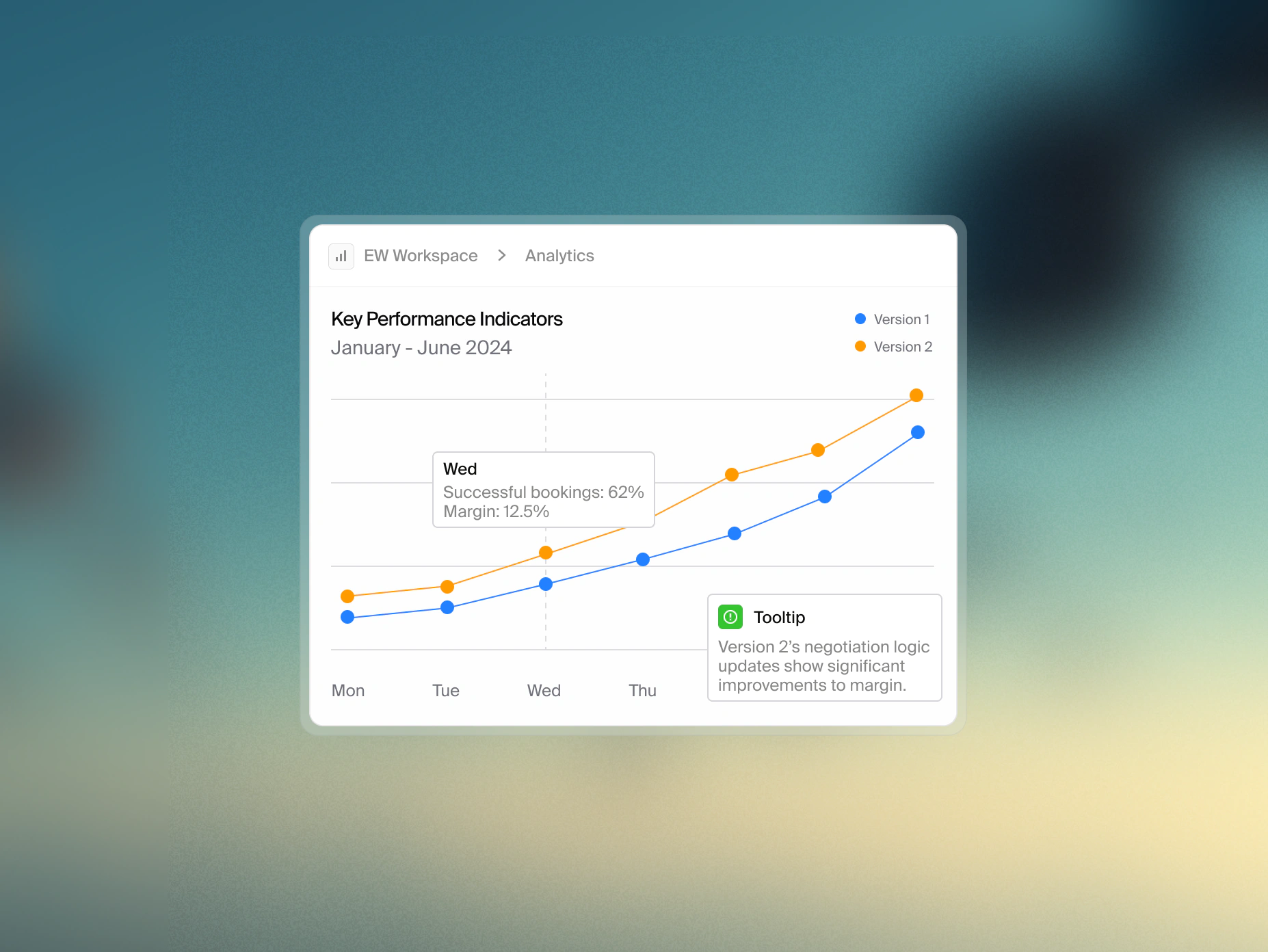
One-click corrections
Spot a mistake, click 'handle this differently next time,' type the rule in plain words. It sticks.
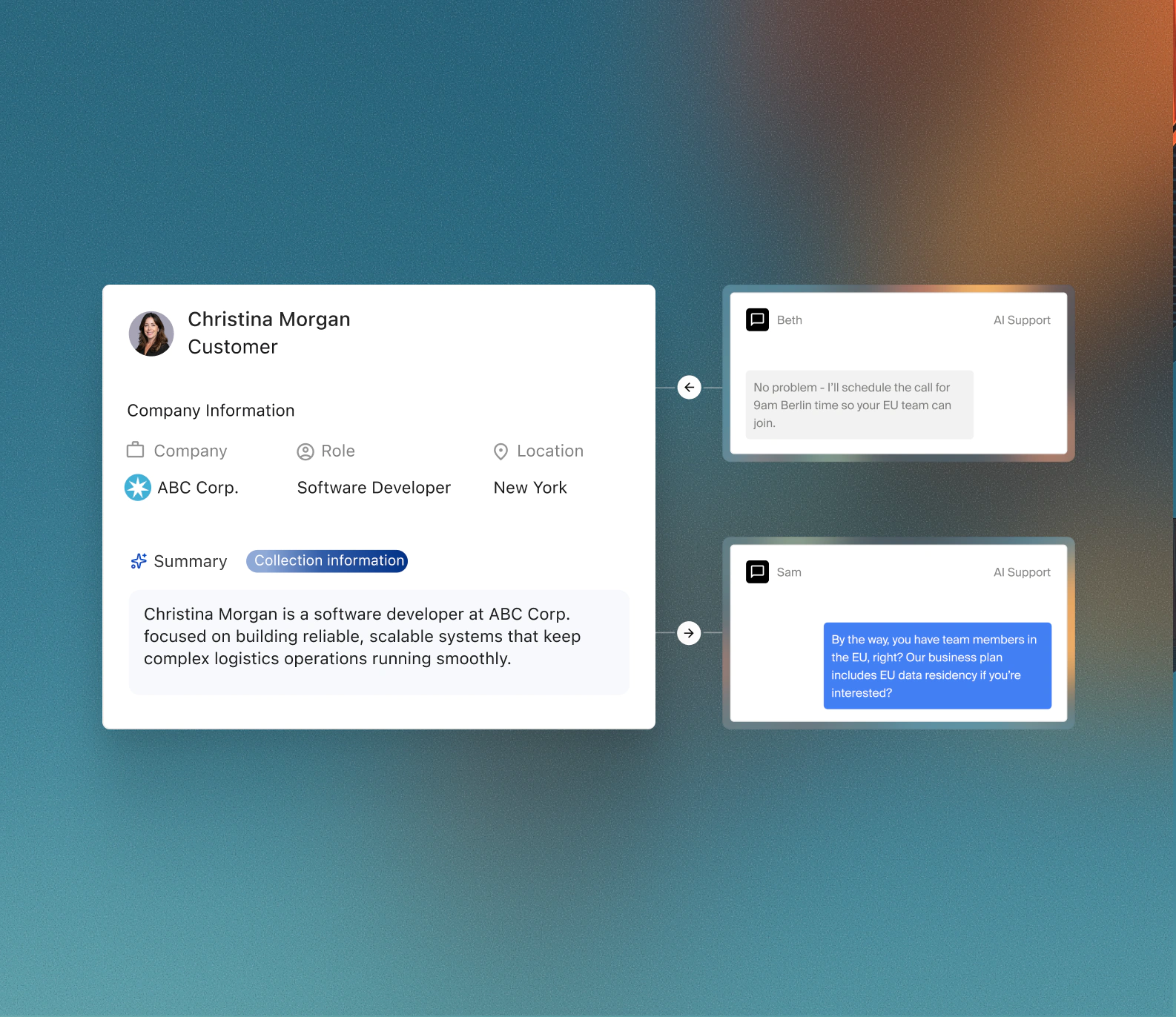
Quality over time
Watch the mistake rate drop as Rivesa learns your business. Review the trend whenever you feel like it.
Sleep easier knowing what the workflow will and will not do
SMBs cannot afford automation that goes rogue. Rivesa shows its work, asks when unsure, and lets you pull the brake any time.
See everything it does
You stay in control
Grows with you
See how visible it all is
Pick the one task you are sick of doing. We will ship it as a workflow this week. Enterprise power, SMB pricing.