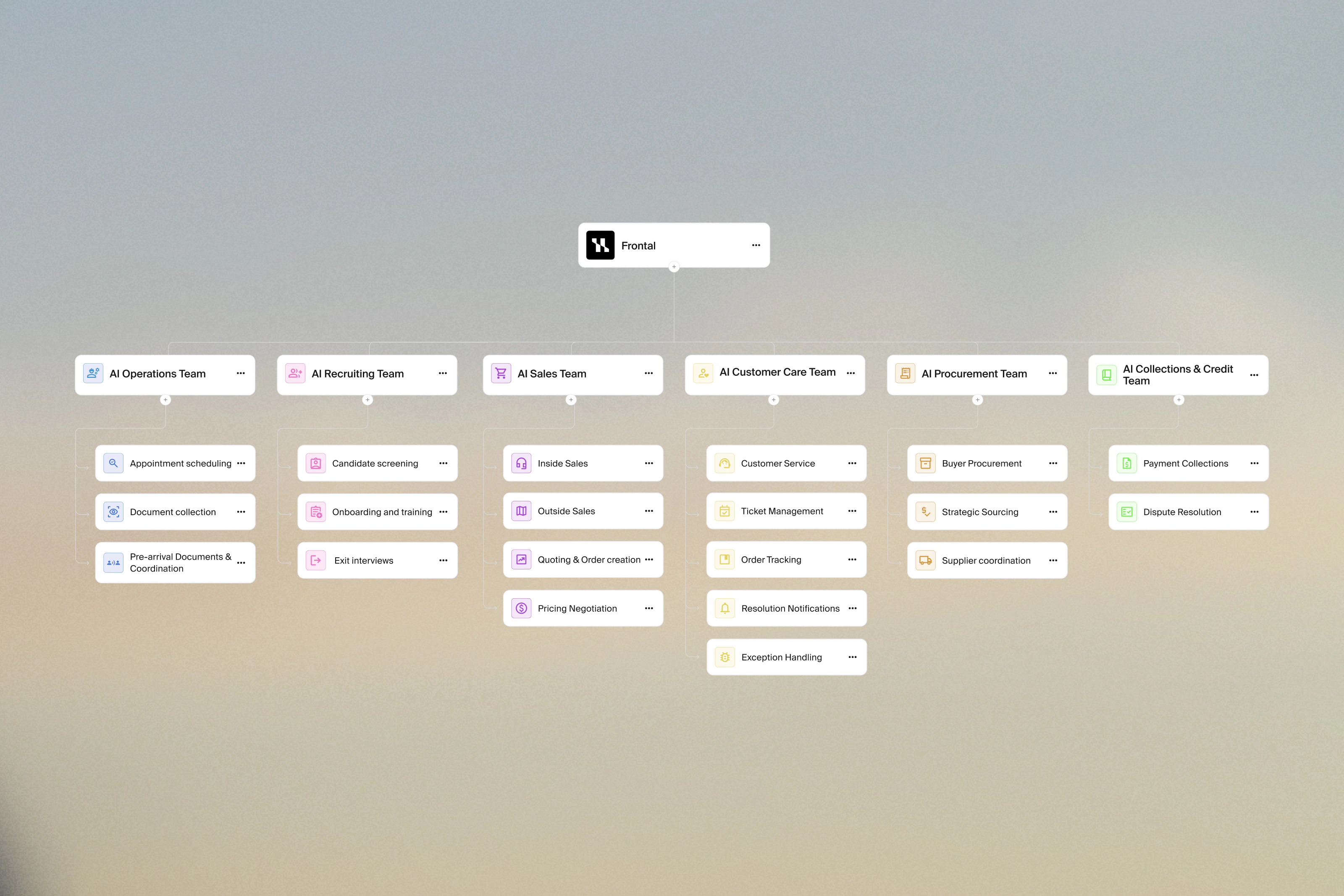
No duplicate outreach, no dropped handoffs, no forgotten promises
Without shared context, your automations look amateur: three different reminders about the same invoice, a 'just checking in' email to a customer who already paid. Rivesa solves this with one shared memory across every workflow.
Your billing workflow knows support already reached out. Your sales workflow knows the prospect is a current customer. Nothing resets.
Pulls the account, the plan, the open tickets, the last rep they talked to. Acts on the full picture, not the last email.
When the workflow escalates to you, you see the full thread: what the customer asked, what Rivesa already did, what is left.
Your real customer view
Every workflow sees the same customer record: contracts, invoices, support history, last touch. No siloed tool to cross-check.
Resumes where it left off
Sent the reminder yesterday? The next workflow starts from there instead of restarting the sequence from scratch.
Escalation with the full picture
When Rivesa hands something to you, it arrives with the customer history, what was tried, and the recommended next step.
Your rules, enforced everywhere
'Never chase invoices over the weekend.' 'Always CC the account owner on VIP accounts.' One rule, applied across every workflow.
Works across channels
Email reply this morning, SMS last week, support ticket last month — all part of the same conversation as far as Rivesa is concerned.
Grounded in the data you already have
You do not build a new database. Rivesa reads from what is already there and keeps the context in sync.
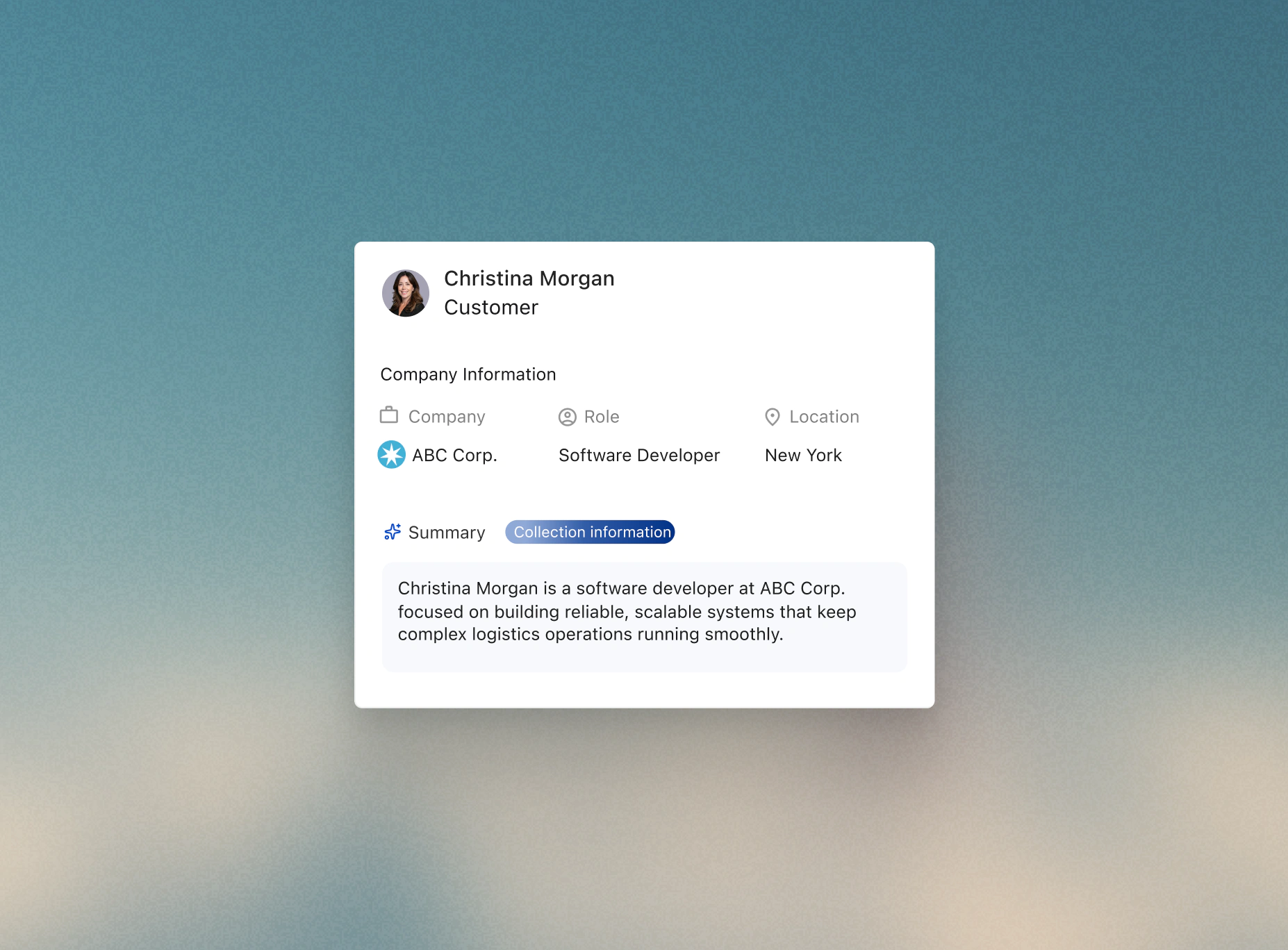
Customer conversations
Emails, chats, call notes, support tickets. All readable by the workflow, so replies never sound like the 47th cold outreach.
Your systems of record
CRM, billing, support, project tool. Rivesa reads the current state so actions reflect today, not last week's data dump.
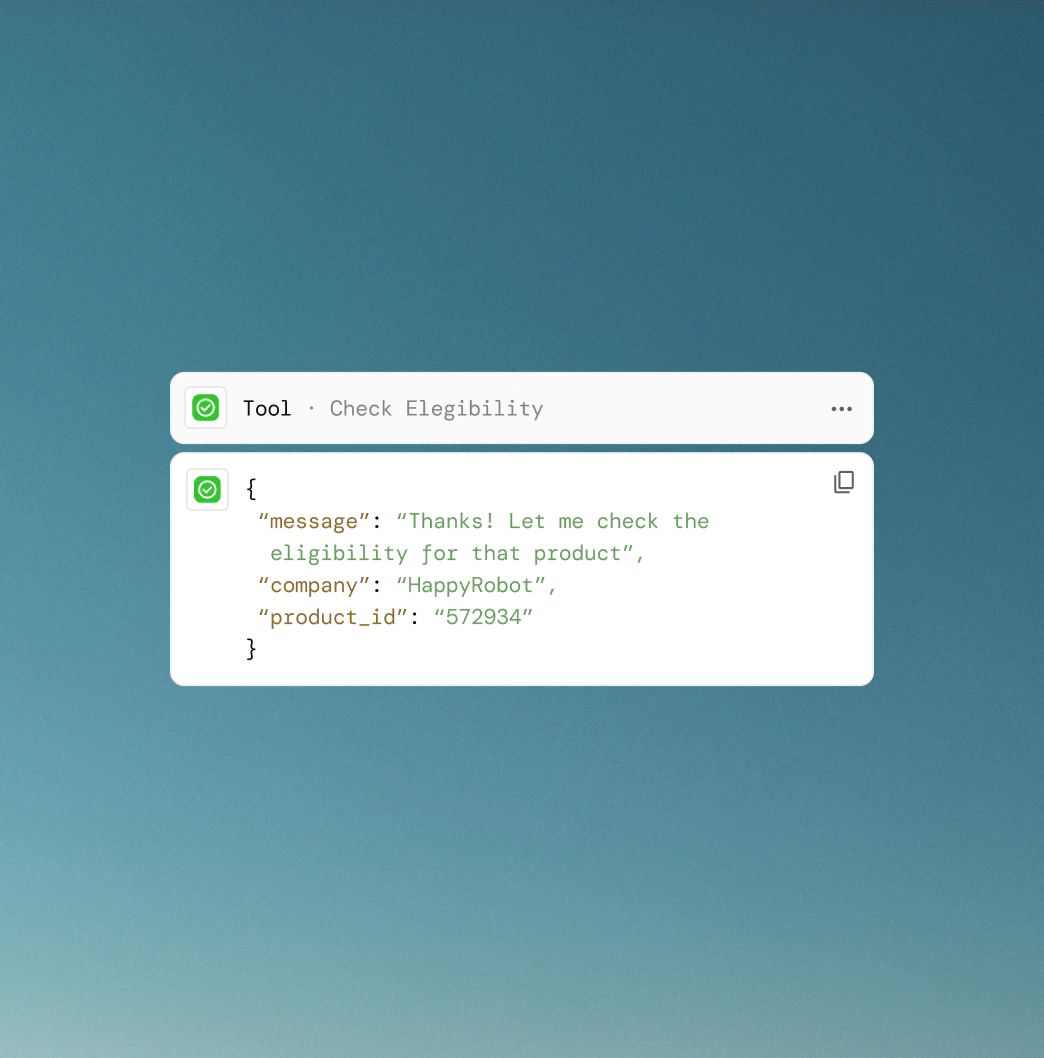
Your own tools
That internal spreadsheet, that custom portal, that Notion page your ops runs on. Rivesa can read it and act on it.
Automation that remembers, like a good hire would
The difference between an automation you trust and one you do not is memory. Shared context is how Rivesa earns the trust.
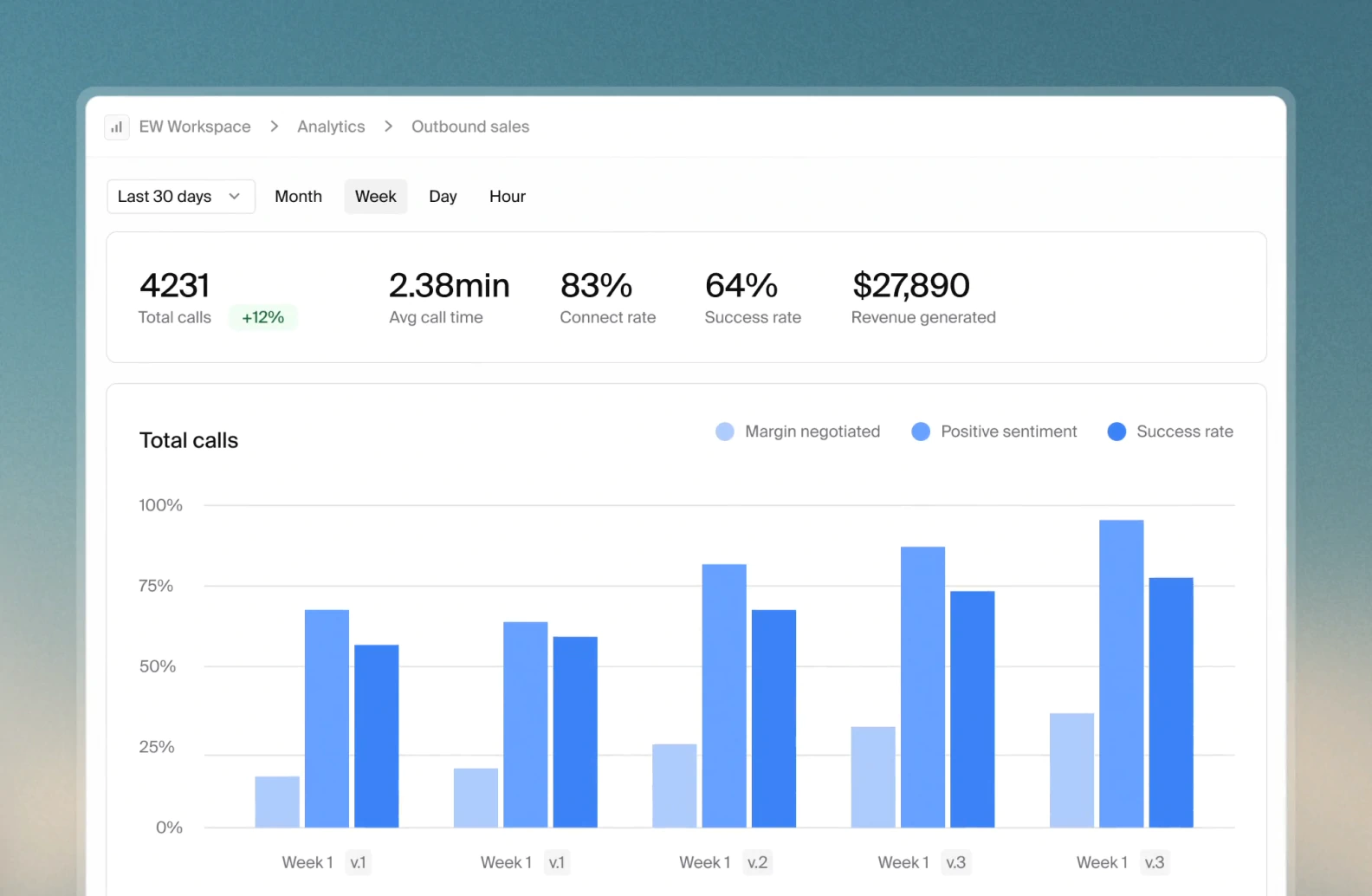
See everything it does
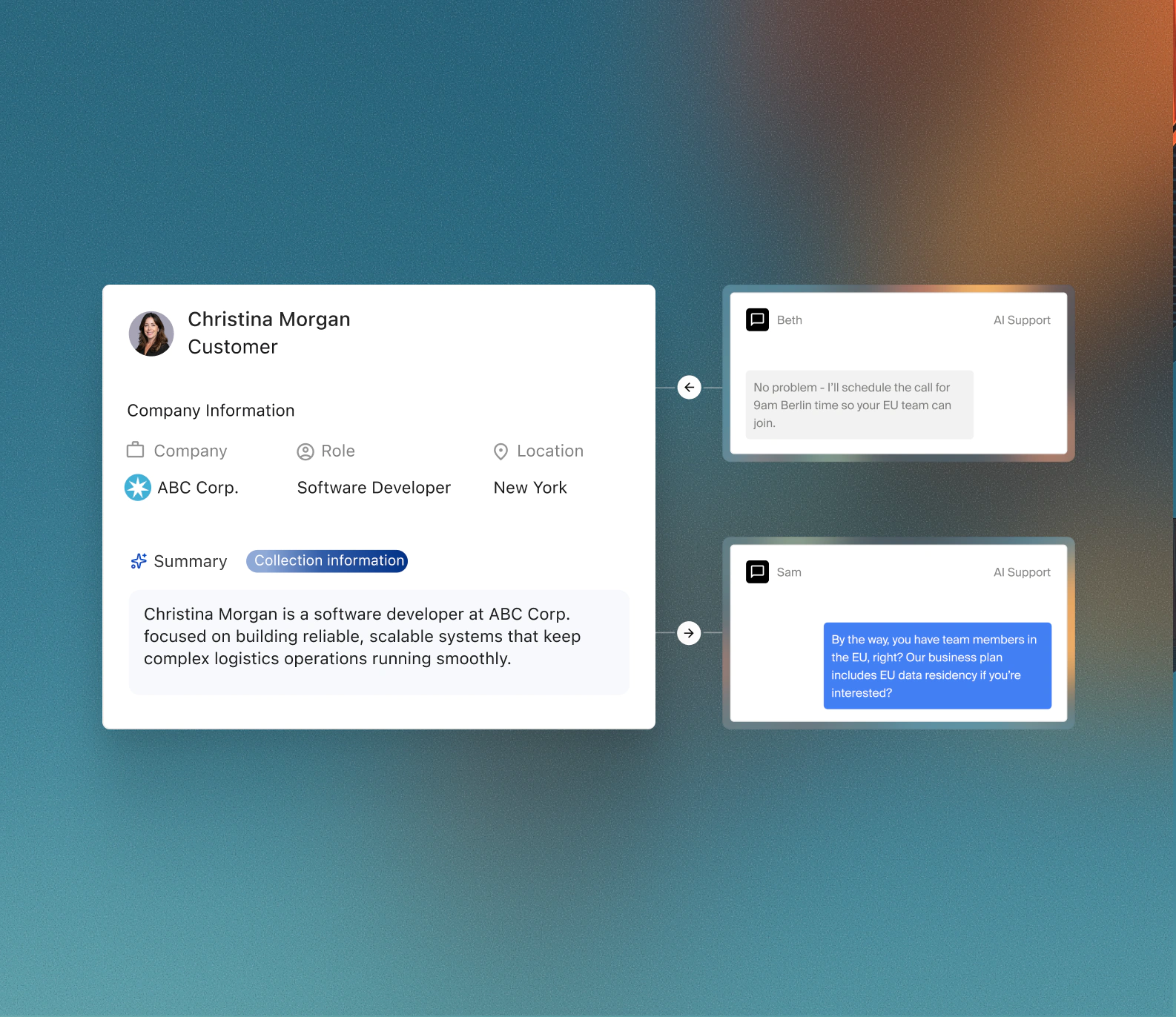
You stay in control
Grows with you
See automation that actually remembers
Pick the one task you are sick of doing. We will ship it as a workflow this week. Enterprise power, SMB pricing.