
The coordination layer your 30-person team is missing
At 15 people, you are a founder. At 200, you have an ops team. In between, everything is held together by the one person who remembers stuff. Rivesa takes the 'remembering stuff' off their plate.
The weekly client status update, the monthly vendor review, the quarterly security check-in. Rivesa drafts it, pings the right people, chases the replies.
Sales asks for a custom quote, a customer wants a feature, a vendor has a question. Rivesa classifies, routes, acknowledges, and follows through.
The onboarding checklist, the renewal sequence, the offboarding steps. Each one a workflow that runs itself and only surfaces when it needs you.
Weekly status updates
Pulls progress from your project tool, drafts the update, sends it to the client or the team. You review once, it goes out.
Request intake and routing
Every 'can you just…' request from inside or outside the company gets captured, categorized, and sent to the right place with SLAs.
Renewal and check-in reminders
Customer up for renewal in 45 days, vendor contract ending next month, COI expiring. Nothing gets forgotten because Rivesa is watching the dates.
Your project tool, your CRM, your shared docs — one workflow
You are already using Linear or Asana, HubSpot or Pipedrive, Notion or Google Docs. Rivesa reads across them so your ops stops being copy-paste between tabs.
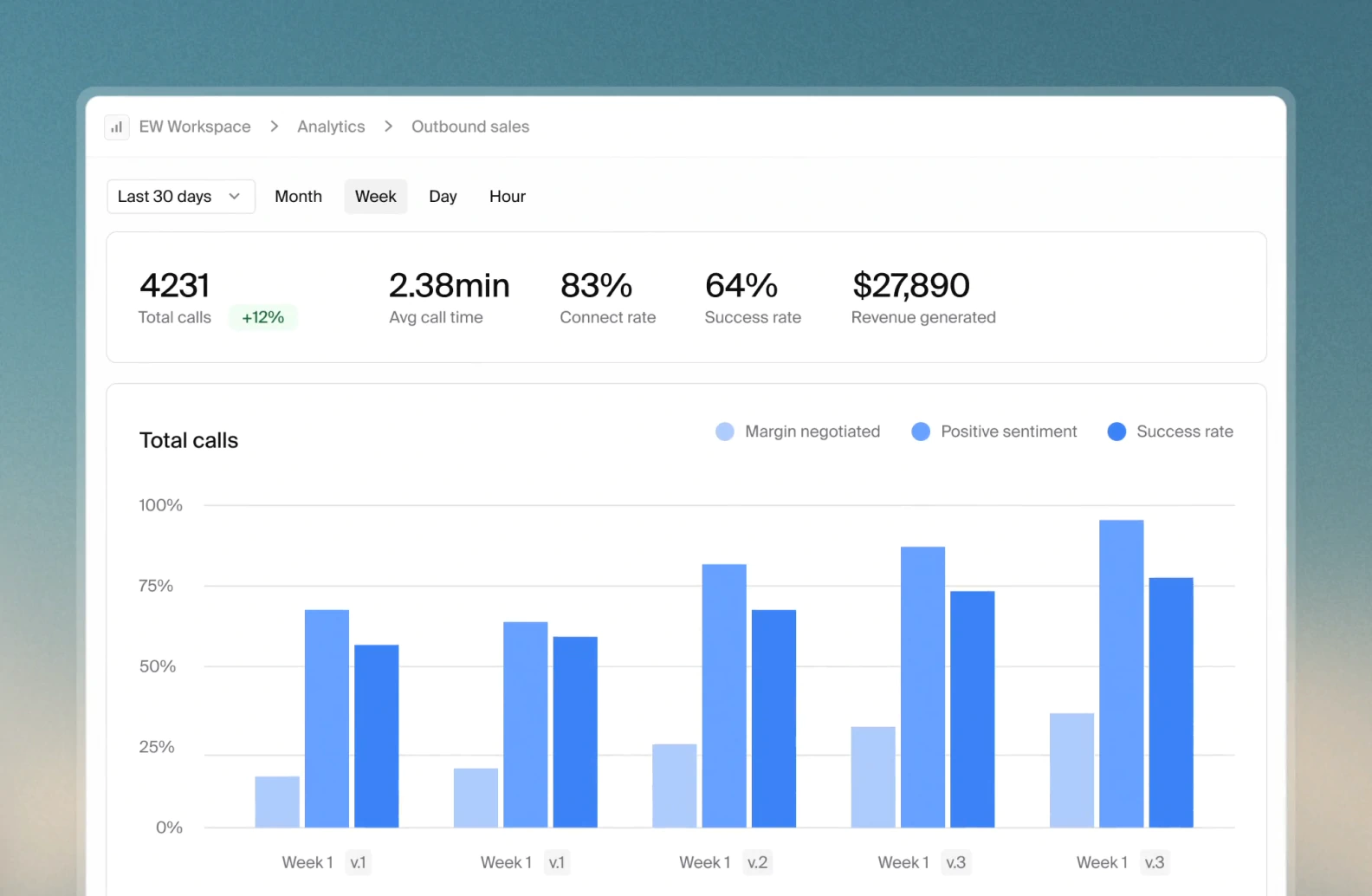
The stuff that used to fall through stops falling through
The status update you always meant to send, sent. The follow-up you always meant to schedule, scheduled. The ops layer you could never quite staff, running.
Ships in days
Pick the workflow that is costing you the most hours. First version running before the end of the week, not the end of the quarter.
Gets smarter
Every edit you make, every exception you flag, makes the next run sharper. You train it by using it, no prompts to engineer.
Fits your stack
Works with the tools you already have: Gmail, HubSpot, QuickBooks, Slack, Stripe. No rip and replace, no 9-month migration.
Stop being the glue for your own company
Pick the one task you are sick of doing. We will ship it as a workflow this week. Enterprise power, SMB pricing.